About Racine Foods
Racine Foods is a structured agribusiness enterprise, not only a product trader. It is developed to improve how food is sourced, received, handled, documented, packaged and presented to the market.
A growth platform that strengthens food system performance
Racine Foods Company Limited is a Uganda-based agribusiness that connects producers, raw materials, product handling systems, value addition and market-facing supply. It works across fresh produce, dried products, flours, grains and preserved fish.
In many food value chains, market value is lost long before the product reaches the buyer. Poor handling, weak sorting and grading, limited packaging and inadequate traceability reduce both income and credibility. Racine’s model addresses these gaps through disciplined operations and practical business systems.
Vision, mission and purpose
What Racine Foods is working toward, how it gets there, and why it exists.
Trusted across Africa
To become a trusted African food supply and value addition company recognized for quality, traceability, responsible sourcing, inclusive growth, and diversified market reach.
Safe, traceable, market-ready
To deliver safe, traceable, and market-ready food products through structured sourcing, controlled handling, value addition, and responsive buyer engagement while improving livelihoods and food-system efficiency.
Livelihoods and less loss
Racine Foods exists not only to supply quality food products, but also to strengthen livelihoods, reduce avoidable post-harvest loss, support local value addition, improve market access, and contribute to more practical and inclusive food systems.
The principles behind every supply decision
Quality, integrity, traceability, reliability, practical innovation and growth guide how products are handled and how partnerships are built.
Quality and food safety
We are committed to handling products with care and discipline to support acceptable quality for target markets.
Integrity and accountability
We value transparent business relationships, honest communication, and responsible handling of products and commitments.
Traceability and transparency
We believe that product identity and source visibility are essential for building confidence in supply relationships.
Reliability
We aim to be responsive, organized, and dependable in how we engage buyers, suppliers, and partners.
Practical innovation
We seek realistic, usable systems that strengthen product handling, packaging, value addition, and market readiness.
Inclusive growth
We believe in progressive business development through strong systems, wider market access, and diversified product capability.
A market-driven enterprise with intentional social outcomes
Racine’s impact comes from the way it organizes sourcing, improves handling, adds value locally, and supports more inclusive participation in the food economy.
Inclusive sourcing
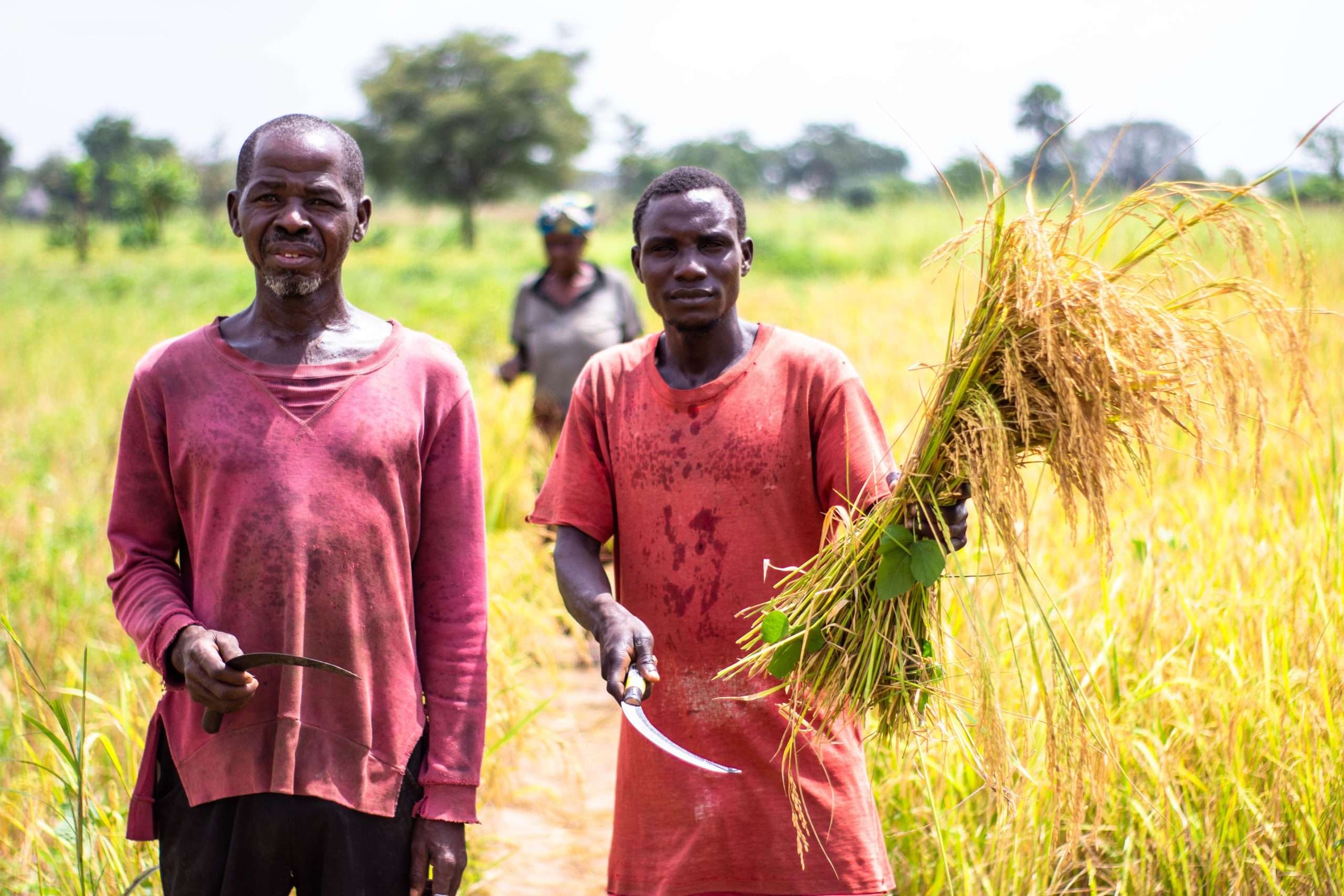
Structured engagement with smallholder-linked supply bases, emerging suppliers, and producer groups expands participation in formal and semi-formal markets.
Local value addition
Drying, flour processing, packaging, and preserved product lines help retain more value locally rather than exporting value out of the chain.
Loss reduction and quality
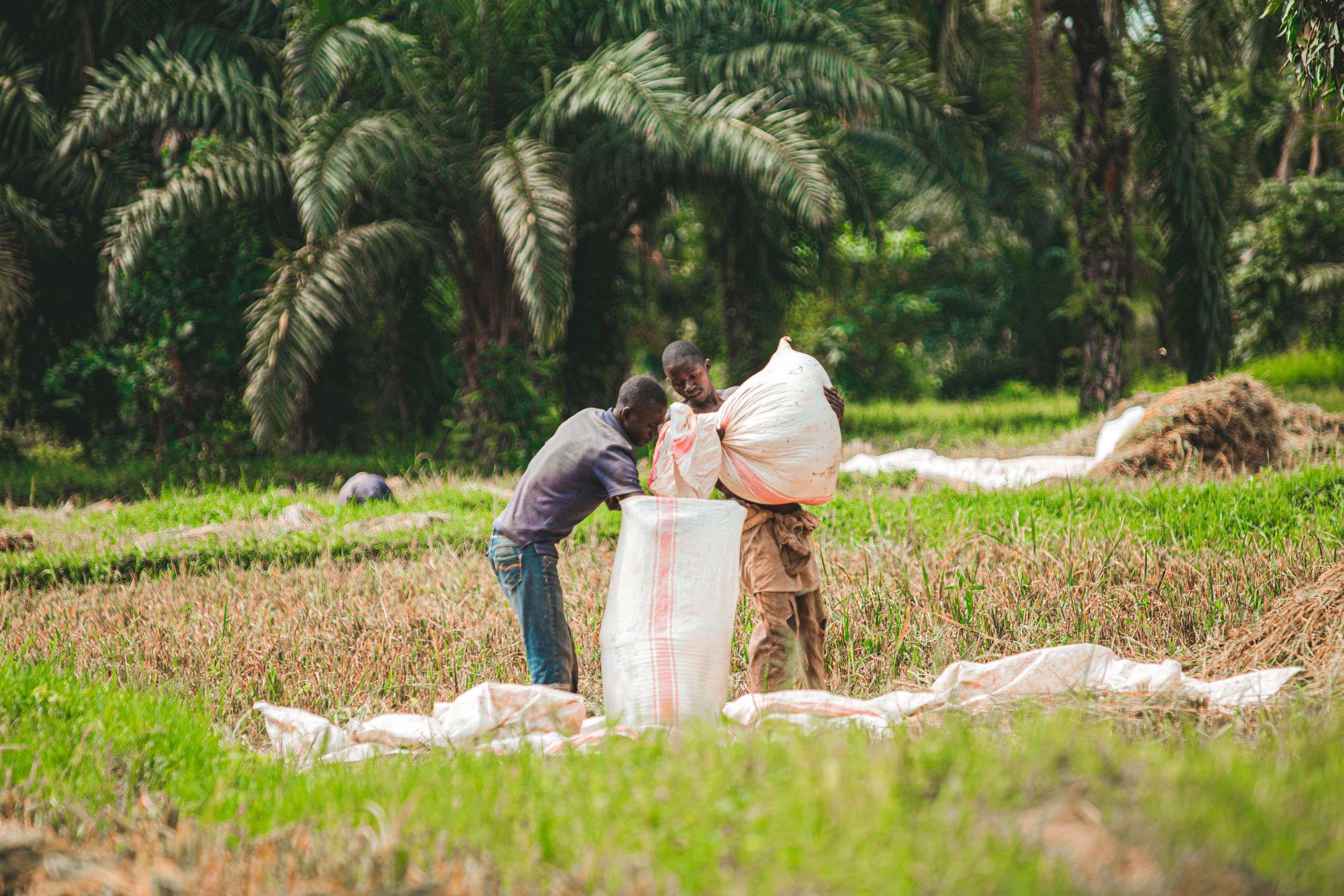
Better receiving, sorting, grading, handling, traceability, and food safety systems reduce avoidable losses and improve market confidence.
Competing on how products are organized, handled and presented
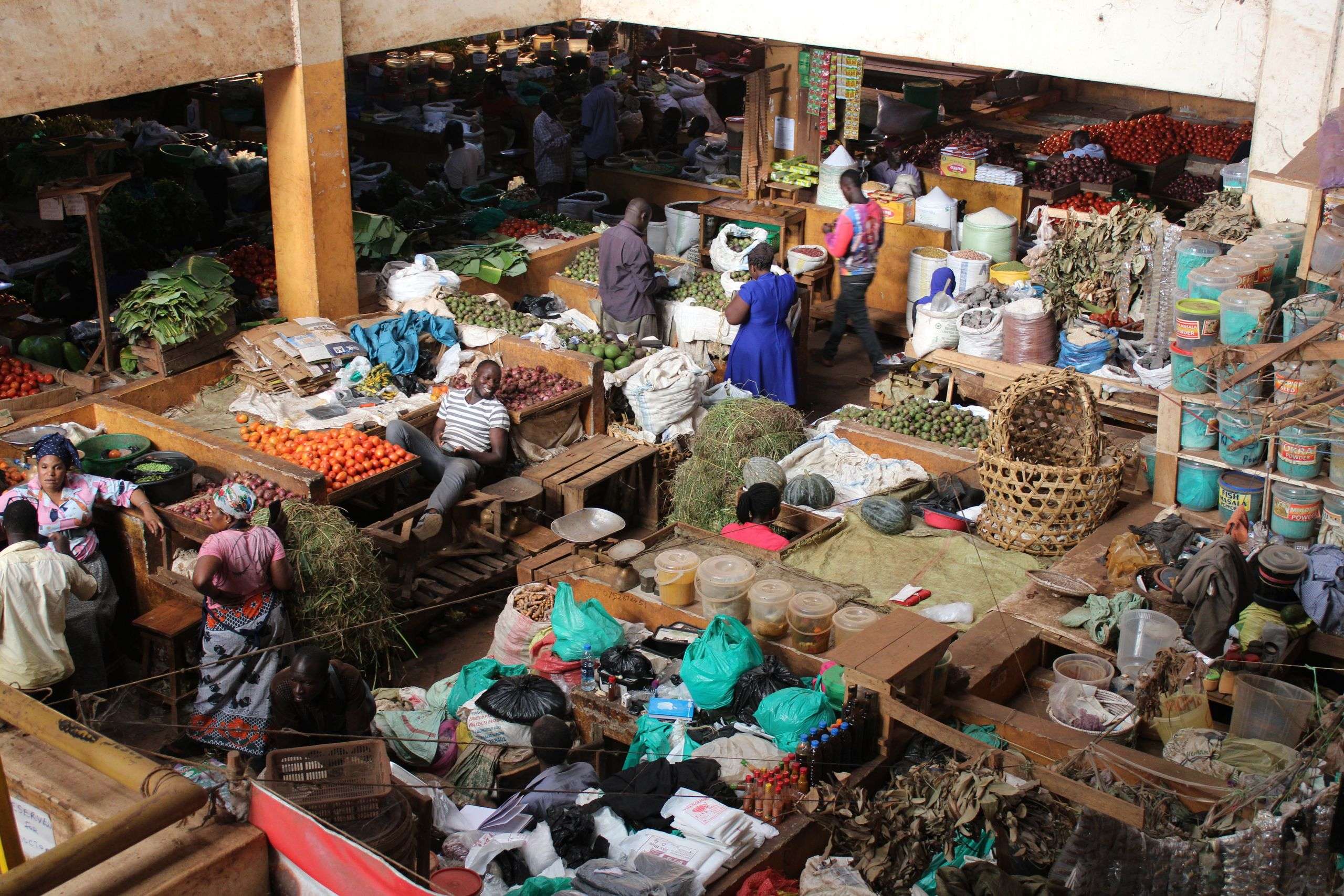
Racine Foods is positioned for domestic premium, regional, diaspora, specialty, and export-oriented markets. The business does not rely on product availability alone; it competes on how products are organized, handled, documented, and presented to buyers.